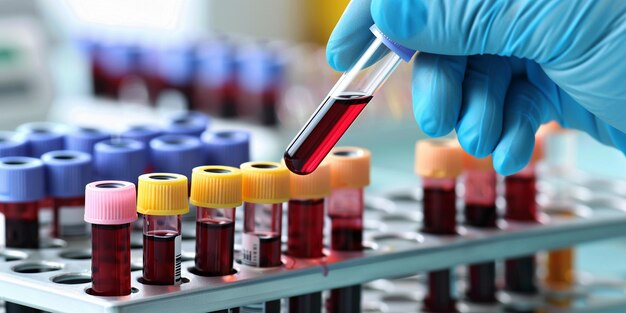
Understanding Your Full Body Checkup Report — A Plain-Language Guide
You just received your full body health checkup report. It's a page — sometimes several pages — filled with numbers, abbreviations, and reference ranges. Most people glance at it, feel confused, and wait for their doctor's appointment to make sense of it.
This guide helps you understand what the major tests in a full body panel actually mean, in plain language — so you can have a more informed conversation with your doctor.
Important: This guide is for educational purposes only. Always consult your doctor for interpretation and treatment decisions.
---
1. Complete Blood Count (CBC)
- The CBC is the most fundamental blood test. It measures three main types of cells in your blood.
- Haemoglobin (Hb)
Normal range: 12.0 to 17.5 g/dL (varies by gender)
What it means: Haemoglobin carries oxygen through your body. Low Hb indicates anaemia, which causes fatigue, breathlessness, and pallor. - WBC (White Blood Cell Count)
Normal range: 4,000 to 11,000 cells/µL
What it means: WBC are your immune soldiers. High count suggests infection or inflammation. Very low count may indicate bone marrow issues or viral infections. - Platelets
Normal range: 1.5 to 4.5 lakh/µL
What it means: Platelets help your blood clot. Very low platelets can cause excessive bleeding; very high platelets may increase clot risk.
---
2. Blood Sugar Tests
- Fasting Blood Glucose
Normal: Below 100 mg/dL
Pre-diabetes: 100 to 125 mg/dL
Diabetes: 126 mg/dL and above - HbA1c (Glycated Haemoglobin)
Normal: Below 5.7%
Pre-diabetes: 5.7% to 6.4%
Diabetes: 6.5% and above - HbA1c reflects your average blood sugar over the past 3 months — much more meaningful than a single glucose reading.
3. Liver Function Test (LFT)
Key markers:
- SGPT (ALT) and SGOT (AST)
Normal: Below 40 U/L
Elevated levels suggest liver cell damage, often from fatty liver, alcohol, or medications. - Bilirubin (Total)
Normal: 0.3 to 1.2 mg/dL
High bilirubin causes jaundice (yellowing of skin/eyes) and indicates liver or bile duct issues. - Albumin
Normal: 3.5 to 5.0 g/dL
Low albumin reflects poor liver function or malnutrition. - ALP (Alkaline Phosphatase)
Normal: 44 to 147 U/L
Elevated in bone disorders, bile duct blockage, or liver disease.
---
4. Kidney Function Test (KFT)
- Serum Creatinine
Normal: 0.6 to 1.2 mg/dL (men); 0.5 to 1.1 mg/dL (women)
High creatinine is an early sign of kidney stress or damage. - Blood Urea Nitrogen (BUN)
Normal: 7 to 20 mg/dL
Elevated BUN may indicate dehydration, high protein diet, or kidney dysfunction. - eGFR (Estimated Glomerular Filtration Rate)
Normal: Above 90 mL/min/1.73m²
This is the most important kidney health indicator. Values below 60 for 3+ months indicate chronic kidney disease. - Uric Acid
Normal: 3.5 to 7.2 mg/dL
High uric acid leads to gout and can also indicate kidney stress.
---
5. Thyroid Function Test (TFT)
- TSH (Thyroid Stimulating Hormone)
Normal: 0.4 to 4.0 mIU/L - Low TSH = Hyperthyroidism (overactive thyroid) — causes weight loss, palpitations, anxiety
High TSH = Hypothyroidism (underactive thyroid) — causes weight gain, fatigue, cold intolerance - T3 and T4 levels help further confirm the diagnosis.
---
6. Lipid Profile (Cholesterol Panel)
- Total Cholesterol: Desirable below 200 mg/dL
- LDL (Bad Cholesterol): Optimal below 100 mg/dL
- HDL (Good Cholesterol): Desirable above 60 mg/dL
- Triglycerides: Normal below 150 mg/dL
- High LDL and triglycerides with low HDL is the classic pattern associated with cardiovascular risk.
---
7. Vitamin D (25-OH Vitamin D)
- Normal: 30 to 100 ng/mL
- Insufficient: 20 to 29 ng/mL
- Deficient: Below 20 ng/mL
Over 70% of urban Indians are Vitamin D deficient — even those who spend time outdoors. Deficiency causes bone pain, fatigue, low immunity, and depression.
---
8. Vitamin B12
- Normal: 200 to 900 pg/mL
- Deficient: Below 200 pg/mL
B12 deficiency is extremely common in vegetarians and vegans. Symptoms include tingling in hands and feet, memory problems, and fatigue.
---
What Should You Do After Getting Your Report?
1. Don't panic over a single abnormal value — always interpret in the context of symptoms and history.
2. Share the full report with your doctor, not just the flagged values.
3. If a value is borderline, ask about lifestyle changes before jumping to medication.
4. Repeat the test after 3 months if advised — one reading is rarely conclusive.
5. Store your reports digitally — Lab-n-Med provides a secure online portal for all your historical reports.
---
Get Your Full Body Checkup Done at Lab-n-Med
Our Labnmed Basic Health Package covers all the tests above — CBC, LFT, KFT, Thyroid, Lipid Profile, HbA1c, Vitamin D, Vitamin B12, and more — at just ₹1,399, with free home collection anywhere in Gurgaon and Delhi NCR.
Reports are ready within 24 hours and reviewed by certified pathologists.
Use code FIRST20 for 20% off your first booking.
👉 Book Now: lab.thenovavision.com/booking.php
✉ care@labnmed.com
