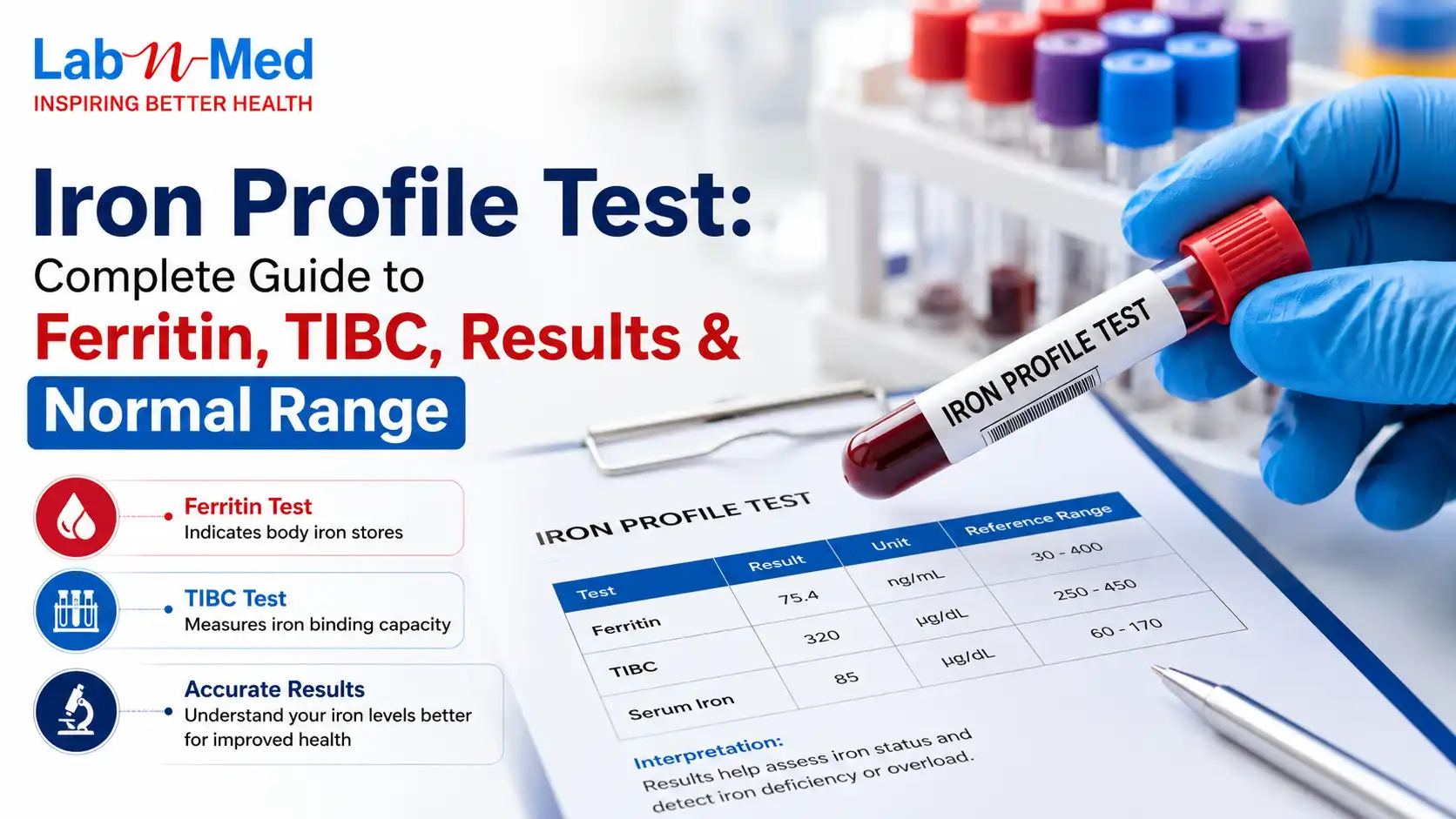
If you're experiencing chronic fatigue and fatigue, low hemoglobin, pregnancy-related anemia, or other chronic health issues, an iron Profile Test can provide valuable information about the iron levels in your body. It is a test that measures a variety of key indicators that include those of the ferritin Test, TIBC Test and, transferrin, and serum iron saturation, which can help medical professionals identify the root cause of your symptoms.
Lab N Med Lab N Med Lab N Med, we offer precise laboratory test results in Gurgaon using NABL-standard lab quality and convenient sampling of blood from your home, allowing you to be tested without the need to visit a diagnostic centre. Our highly skilled phlebotomists will ensure secure collection of samples, speedy processing, and prompt digital reports.
In this complete guide, you'll discover what an iron Profile Test is, how it's suggested, how to prepare for it, how to interpret the results, and when to take the test.
What is an Iron Profile Test?
An iron Profile test is a thorough blood test that measures the iron levels that circulate in your blood and the efficiency with which your body stores and moves it. Instead of focusing on a single iron marker, the test covers several parameters that give an accurate image of your iron metabolism.
Doctors typically suggest the iron Profile Test in cases of suspicion of anemia, iron deficiency, regular bleeding, deficiencies in nutrition, or iron overload diseases like hemochromatosis.
In contrast to a standard C, BC which tests blood cells and blood cells, the iron profile test is focused on specific biomarkers related to iron that show if your body has enough iron reserves and whether the iron is utilized correctly.
The test typically comprises:
- Serum Iron
- Ferritin Test
- TIBC Test
- Transferrin Saturation
- Unsaturated Iron Binding Capacity (UIBC) (in certain laboratories)
Together, these factors enable doctors to make a precise diagnosis and recommend the appropriate treatment.
Why is an Iron Profile Test Important?
Iron plays an essential part in the production of hemoglobin, the protein found in red blood cells that is responsible for transferring oxygen through your entire body. In the absence of sufficient iron, tissues and organs receive less oxygen, which leads to weakness, fatigue, and a decrease in physical performance.
The iron Profile Test can detect issues before they get serious. It aids healthcare professionals in identifying the different forms of anemia and determines if the problem is due to iron deficiency, chronic illness, inflammation, or iron overproduction.
Doctors typically suggest the use of an Iron Profile test to:
- Persistent fatigue
- Low hemoglobin
- Anemia due to iron deficiency
- Pregnancy
- Heavy menstrual bleeding
- Chronic kidney disease
- Liver disorders
- Gastrointestinal bleeding
- Nutritional deficiencies
- Frequent blood donation
Early detection allows for prompt treatment and reduces the risk of complications resulting from long-term iron imbalance.

What Does an Iron Profile Test Measure?
The iron Profile Test includes a variety of tests of blood to determine the various factors of metabolism.
1. Serum Iron
Serum iron determines the amount of iron circulating in the bloodstream. The amount of iron measured is used to create hemoglobin as well as helping to support normal bodily functions.
A low level of iron in the blood could mean:
- Iron deficiency
- Chronic illness
- Blood loss
- Malnutrition
A high level of iron in the serum could mean:
- Iron overloaded
- Liver disease
- Iron supplementation in excess
- Hemolytic anemia
2. Ferritin Test
The ferritin Test determines the amount of iron that is stored in your body.
Ferritin serves as the body's reserve for iron. Although serum iron levels aren't affected until after levels drop, ferritin levels can drop, and this is among the earliest signs of iron deficiency.
Low ferritin can be attributed to:
- Poor dietary intake
- Pregnancy
- Chronic blood loss
- Heavy menstrual periods
- Gastrointestinal bleeding
A high ferritin level can result from:
- Chronic inflammation
- Liver disease
- Iron overloaded
- Certain illnesses
In all the iron-related studies among all iron-related investigations, the Ferritin test is considered to be one of the most reliable indicators of iron storage.
3. TIBC Test
The TIBC Test (Total Iron Binding Capacity) tests your blood's capacity to transport and bind iron via transferrin.
When the iron stores in your body are depleted, transferrin levels increase to take in more iron, leading to increased TIBC values increasing.
High TIBC typically indicates:
- Iron deficiency
- Pregnancy
- Therapy with estrogen
Low TIBC could mean:
- Chronic illness
- Liver disease
- Iron overloaded
- Malnutrition
The doctors interpret the TIBC test alongside ferritin and serum iron to make a precise diagnosis.
4. Transferrin Saturation
The percentage of transferrin is the ratio of transferrin proteins containing iron.
It is calculated based on serum iron as well as TIBC values.
A low transferrin saturation usually indicates iron deficiency. On the other hand, high levels could indicate the accumulation of excessive iron.

Iron Profile Test Normal Range
While reference values can vary little between laboratories, these ranges are generally accepted.
| Test | Typical Normal Range |
| Serum Iron | 60-170 mcg/dL |
| Ferritin (Men) | 30-400 ng/mL |
| Ferritin (Women) | 15-150 ng/mL |
| TIBC | 240-450 mcg/dL |
| Transferrin Saturation | 20-50% |
The doctor will interpret these values along with your symptoms, medical history, and any other tests of your blood.
Who Should Get an Iron Profile Test?
An iron profile test is suggested for those who are experiencing symptoms that suggest an iron imbalance or for those who are at risk due to medical conditions.
This test could be beneficial to you if you
- You're tired, even though you've had enough rest
- Feel dizzy or weak
- Have pale skin
- Watch for brittle nails or hair fall
- Are pregnant
- Are you experiencing heavy bleeding during menstruation?
- Follow a vegetarian or vegan diet
- Are you suffering from chronic kidney disease?
- Have liver issues
- Undiagnosed anemia
- Donate blood frequently
- Experience gastrointestinal bleeding
- Are you suffering from inflammatory bowel disease?
Routine screening is also beneficial for patients who are receiving ongoing treatment to treat anemia as well as iron supplementation in order to monitor recovery and to prevent the accumulation of excessive iron.
Symptoms That May Indicate You Need an Iron Profile Test
Most people do not notice the early signs of iron imbalance since they are often associated with fatigue or stress. However, the persistent signs could suggest an iron deficiency or overload that needs medical attention. An iron Profile Test can help identify these issues before they cause grave health issues.
If you are experiencing any of these symptoms If you experience any of the following symptoms, your physician may suggest the following tests: the Iron Profile Test together with the ferritin Test as well as the TIBC Test.
Common Symptoms of Low Iron Levels
The body's iron levels are low, which affects its capacity to create good red blood cells, resulting in lower oxygen flow to tissues.
The symptoms include:
- Continuous fatigue or tiredness
- Low energy and weakness
- Pale skin
- Frequent headaches
- Breathing shortness
- Dizziness
- Cold feet and hands
- Rapid heartbeat
- Hair fall
- Brittle nails
- It is difficult to concentrate
- Poor memory
- The syndrome of restless legs
- Needing food items that aren't food, like clay or ice (Pica)
These symptoms typically develop slowly and can become more severe when left untreated.
Symptoms of High Iron Levels
The excess iron can also be harmful. When your body stores excessive amounts of iron, it could cause damage to organs, such as the pancreas, liver, heart, joints, and pancreas.
It could be a sign of:
- Joint pain
- Persistent fatigue
- Abdominal discomfort
- Unexplained weight loss
- Gray or bronze skin pigmentation
- Diabetes
- Liver enlargement
- Heartbeat irregularity
- The loss of libido
- Weakness
The iron Profile Test can detect the presence of iron in the body early, which allows doctors to suggest appropriate treatment.
Causes of Iron Deficiency
Iron deficiency occurs when the body sheds greater amounts of iron than it absorbs. It also happens when the iron requirements of your body rise dramatically.
Common causes are:
Poor Dietary Intake
Diets that are low in iron-rich foods can eventually become iron deficient.
Examples include:
- Vegetarian diets that are strictly vegetarian, with no iron-rich substitutes
- Poor nutrition
- Eating disorders
- Low protein intake.
Heavy Menstrual Bleeding
Women who have heavy or prolonged menstrual cycles typically lose large quantities of iron each month.
An iron deficiency test for blood tests, as well as the Iron Profile Test, can be generally suggested for women suffering from chronic fatigue as a result of heavy menstrual cycles.
Pregnancy
During pregnancy, the baby's growth dramatically increases the iron requirements of a mother.
Regular iron profile tests aid in monitoring the levels of iron throughout pregnancy and reduce the risk of maternal anemia.
Blood Loss
The chronic loss of blood is an important cause of iron deficiency.
The possible reasons are:
- Stomach ulcers
- Colon polyps
- Hemorrhoids
- Gastrointestinal bleeding
- Frequent blood donation
- Trauma or surgery
Poor Iron Absorption
Certain digestive issues can reduce the body's capacity to absorb iron effectively.
Examples include:
- Celiac disease
- Crohn's disease
- Ulcerative colitis
- Gastric bypass operation
- Chronic diarrhea
Causes of High Iron Levels
In the case of high iron levels, the body stores or absorbs excess quantities of iron.
Common causes are:
- Hereditary hemochromatosis
- Excessive iron supplementation
- Blood transfusions are frequent and often required.
- Chronic liver disease
- Hepatitis
- Damage to the liver caused by alcohol
- Certain blood disorders are associated with certain types of blood.
Doctors typically take the ferritin Test, TIBC test, and the Iron Profile Test together prior to concluding there is the presence of iron overload.
How to Prepare for an Iron Profile Test
Proper preparation helps ensure accurate test results.
Make sure you follow these steps before taking you take your Profile Test with Iron Profile C Test.
Fasting
The majority of labs advise that you fast for between 8 and 12 hours before collecting samples.
You can drink water that is plain unless you are told otherwise.
Avoid Iron Supplements
If you're currently taking supplements with iron, consult your physician to determine if it's advisable to stop them for a short period before testing.
Do not stop taking prescribed medications without consulting your physician.
Inform Your Doctor About Medications
Certain medications can affect the levels of iron.
Tell your doctor if you're taking:
- Iron supplements
- Vitamin C
- Oral contraceptives
- Antibiotics
- Hormonal therapy
Morning Sample Collection
The iron levels naturally fluctuate during the course of the day.
For the most accurate outcomes, labs typically recommend collection of the blood sample in the early morning.
How Is an Iron Profile Test Performed?
Iron Profile Test Test for Iron Profile Test is a simple blood test that usually lasts under five minutes.
The process entails:
- Verifying your identity and submitting a test request.
- The skin is cleaned with an antiseptic.
- The procedure involves taking a small amount of blood from a vein within your arm.
- The sample should be labeled accurately.
- Transferring it to the lab to be analyzed.
The procedure is secure, swift, simple, and not uncomfortable.
In Lab N Med, the phlebotomists are certified and adhere to strict safety and hygiene procedures for every blood draw.
Home Blood Sample Collection for Iron Profile Test
The demands of busy schedules can make it difficult to make it to the diagnostic center. This is the reason Lab N Med provides an easy collecting blood samples from your home throughout Gurgaon.
With our service for home collection, you can:
- Make appointments online or via telephone.
- Pick a time that works with your timetable.
- Have your sample taken by trained experts.
- Avoid waiting in lines and travel.
- You will receive your digital reports quickly.
The Home collection is particularly useful to:
- Senior citizens
- Women who are pregnant
- Professionals who work
- Children
- Patients who have had surgery
- People with mobility issues
Our team is certain that each sample is safely transported while respecting the highest quality standards.

Understanding Your Iron Profile Test Results
Receiving the laboratory report is just the beginning step. The true value lies in knowing the meaning of the numbers when taken together.
Low Serum Iron + Low Ferritin + High TIBC
This type of combination is often a sign of anemia due to iron deficiency.
Possible causes could be:
- Poor diet
- Blood loss
- Pregnancy
- Poor absorption
Low Serum Iron + Normal Ferritin + Low TIBC
This pattern could mean:
- Chronic inflammatory illnesses
- Kidney disease
- Long-term infections
High Ferritin + High Serum Iron + Low TIBC
Doctors can look into:
- Iron overload diseases
- Liver disease
- Hemochromatosis
- Multiple blood transfusions
Normal Iron Profile
If all the parameters fall within the normal range, your symptoms could be a result of a different medical issue. Your physician may suggest additional tests, such as:
- CBC
- Vitamin B12 Test
- Vitamin D Test
- Thyroid Profile
- Liver Function Test
- Kidney Function Test
Benefits of Early Iron Testing
The early detection of iron imbalances offers many health advantages.
An Iron Profile test assists:
- Diagnose iron deficiency before severe anemia develops.
- Monitor treatment effectiveness.
- Avoid complications caused by iron overload.
- Enhance your energy levels and overall well-being.
- Encourage healthy pregnancy outcomes.
- Increase the performance of athletes by ensuring adequate oxygen supply.
- It is possible to detect chronic illnesses that affect the metabolism of iron.
Monitoring regularly is particularly important for those who suffer from persistent anemia, chronic diseases,s or who are taking iron supplements regularly.
Why Choose Lab N Med for an Iron Profile Test in Gurgaon?
Selecting the best diagnostic partner is equally crucial as selecting the correct test. Here at Lab N Med, we are focused on speed, accuracy, as well as the care of patients.
When you arrange the Profile Test for Iron Profile Test with us, you will benefit from:
- Lab testing that is accurate and reliable.
- Professionally trained and experienced Phlebotomists with experience and training
- Convenient blood sample collection at home
- Flexible appointment scheduling
- Fast digital report. Affordable price
- Excellent customer support
- Complete lab tests for Gurgaon on a single reliable platform
If you require an annual health checkup or a physician-recommended iron profile test, our team is dedicated to providing the best possible diagnostic experience from scheduling to report distribution.

Foods That Help Maintain Healthy Iron Levels
The iron Profile Test helps diagnose iron deficiency or over-ironing. Maintaining a healthy diet is equally essential for health over the long term. Iron is a vital mineral that helps support the production of red blood cells as well as blood flow, muscular function, and immunity.
Iron-Rich Foods
Include these iron-rich foods in your daily diet
Animal Sources (Heme Iron)
- Lean red meat
- Chicken
- Turkey
- Fish
- Liver (in moderation)
- Eggs
They can be easily absorbed by your body.
Plant Sources (Non-Heme Iron)
Vegans and vegetarians can increase iron intake through:
- Spinach
- Kale
- Fenugreek leaves
- Lentils
- Chickpeas
- Kidney beans
- Soybeans
- Tofu
- Pumpkin seeds
- Sesame seeds
- Almonds
- Cashews
- Quinoa
- Oats
- Cereals with iron-fortified ingredients
Because iron found in plants is less well absorbed, when combined with vitamin C-rich food items can greatly increase absorption.
Foods Rich in Vitamin C
Vitamin C enhances iron absorption.
Include:
- Oranges
- Lemons
- Amla
- Guava
- Kiwi
- Strawberries
- Tomatoes
- Bell peppers
- Broccoli
Foods That Reduce Iron Absorption
Certain beverages and foods may lower iron absorption if consumed shortly before or immediately after meals.
This includes:
- Tea
- Coffee
- Extra dairy products
- Calcium supplements
- High-fiber bran cereals
If you're suffering from iron deficiencies, talk to your doctor regarding the best timing to eat these foods.
How Often Should You Get an Iron Profile Test?
The frequency of the Iron Profile Test is dependent on your health status and the recommendations of your doctor.
It is generally recommended to test:
| Condition | Suggested Frequency |
| Healthy Adults | Only when advised by a physician |
| Iron Deficiency Anemia | Every 2 or 3 months throughout treatment |
| Pregnancy | As suggested during antenatal care |
| Chronic Kidney Disease | Regularly monitored |
| Liver Disease | Periodically |
| Iron Supplement Therapy | If your physician has advised you, consult your doctor. |
| Iron Overload Disorders | Regular follow-up tests |
Don't make a diagnosis based solely on laboratory results. Always discuss your findings with a licensed medical professional.
Iron Deficiency vs Iron Overload
Knowing the difference between high and low iron levels will help you interpret results from your Results from the Iron Profile Testing results more efficiently.
| Iron Deficiency | Iron Overload |
| Fatigue | Joint pain |
| Weakness | Abdominal pain |
| Pale skin | Liver issues |
| Hair fall | Risk of developing diabetes |
| Brittle nails | Skin pigmentation |
| Breathing shortness | Heart issues |
| Low Ferritin | High Ferritin |
| High TIBC | Low TIBC |
| Low Serum Iron | High Serum Iron |
Both of these conditions require a medical examination and should not be treated without a proper diagnosis.
Related Blood Tests Your Doctor May Recommend
Based on the severity of your condition, depending on your symptoms and your Iron Profile test results, the doctor might recommend further tests for an assessment that is more thorough assessment.
This could include:
- Complete Blood Count (CBC)
- Vitamin B12 Test
- Folate Test
- Vitamin D Test
- C-Reactive Protein (CRP)
- Liver Function Test (LFT)
- Kidney Function Test (KFT)
- Thyroid Profile Test
- ESR Test
- Peripheral Blood Smear
- Reticulocyte Count
- Hemoglobin Electrophoresis
These tests aid in identifying the root conditions that could cause anemia or a malfunctioning iron metabolism.
Why Choose Lab N Med for Lab Tests in Gurgaon?
In the case of diagnostic tests, choosing an established laboratory is vital for accurate results and quick medical decisions.
At Lab N Med, we are committed to delivering reliable laboratory testing for Gurgaon along with a keen emphasis on comfort for patients as well as quality and convenience.
What Makes Us Different?
- Laboratory testing that is accurate and quality-controlled.
- Highly skilled and certified Phlebotomists who are experienced and trained
- Convenient blood sample collection at home
- Simple online appointment booking
- Affordable prices
- Fast report turnaround times
- Digital report delivery. A range of preventive as well as health diagnostic tests
- Customer support that is dedicated
If you require an annual health check-up or a physician-recommended iron profile test, our team guarantees an easy, secure, and professional experience from the moment you book to the time of report delivery.
Final Thoughts
The iron Profile Test is one of the most important tests for determining the iron levels of your body. By measuring key markers like serum iron, ferritin Test, TIBC test, and the saturation of transferrin, it gives an accurate image of how your body's system stores and uses iron.
The early detection of iron deficiency or overdose allows for prompt treatment and avoids complications such as fatigue, anemia, organ damage, and diminished health.
If you're experiencing symptoms such as fatigue or weakness, loss of hair, dizziness, or other signs of anemia, talk to your physician to inquire about an iron Profile Test.
Lab N Med Lab N Med Lab N Med, we make diagnosis testing easy with reliable laboratory test results in Gurgaon and easy sampling of blood samples at your own home, and help you to prioritize your health and wellness without interrupting your routine.
Begin your journey towards better health by scheduling an Iron Profile test now.
Frequently Asked Questions (FAQs)
1. What exactly is what is an Iron Profile Test used for?
The Iron Profile Test can be used to determine the amount of iron present in your body and identify conditions like iron deficiency anemia and iron overload of iron, chronic illnesses, and nutritional deficiencies.
2. Do you need to fast to pass the Iron Profile Test?
Yes. Many healthcare professionals suggest that you fast for between 8 and 12 hours before undergoing the test to ensure more precise results. Follow your doctor's advice.
3. What does the Ferritin Test measure?
A ferritin Test determines the amount of iron that is stored within your body. It is one of the earliest signs that you have iron insufficiency.
4. What's the point of the TIBC Test?
The TIBC Test determines the capacity of your blood to carry iron and helps doctors determine whether you suffer from iron deficiency or iron overload.
5. Who should be the subject of the Iron Profile Test?
People who are experiencing dizziness, fatigue and weakness, loss of hair, heavy menstrual bleeding, chronic illnesses, or anemia that is not explained could benefit from an Iron Profile Check.
6. Can I arrange for an Iron Profile Test at home in Gurgaon?
Yes. LabN Med provides an opportunity to collect blood at your home to conduct testing for the Iron Profile Test, as well as different laboratory tests available in Gurgaon, which makes the diagnostic test simple and easy.
7. How long will it take to get Iron Profile Test results?
The majority of reports are available within 24 to 48 hours, subject to lab processing times.
8. Does the Iron Profile Test detect anemia?
Yes. The Iron Profile Test, as well as the Complete Blood Count (CBC), can help doctors to diagnose iron deficiency and determine the extent.