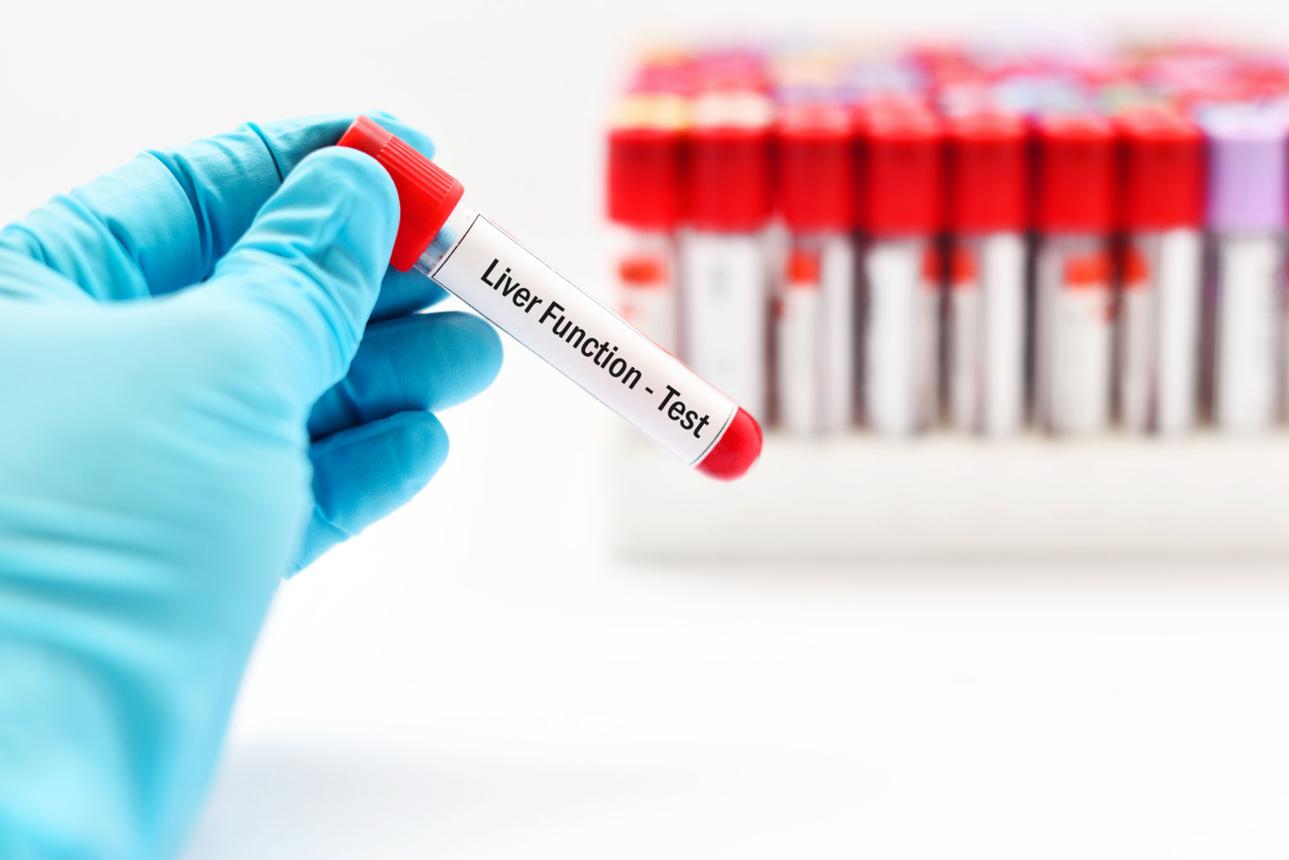
The liver is one of the most vital organs in the human body, performing hundreds of essential functions that keep you healthy. From filtering toxins and processing nutrients to producing proteins and aiding digestion, your liver works around the clock. However, many liver conditions develop silently without noticeable symptoms, making regular monitoring crucial.
At LabnMed, we believe that preventive diagnostics play a key role in maintaining overall health. A Liver Function Test (LFT) is a simple blood test that helps evaluate the health of your liver and detect potential problems at an early stage. Whether you're experiencing symptoms or undergoing a routine health checkup, timely and accurate liver testing can help identify issues early and support better treatment outcomes. With advanced diagnostic solutions and reliable testing services, LabnMed is committed to helping individuals take proactive steps toward better liver health and overall well-being.
What Is a Liver Function Test?
A Liver Function Test is a group of blood tests that measure enzymes, proteins, and substances produced by the liver. These values help doctors assess whether your liver is functioning normally or if there are signs of damage, inflammation, or disease.
Common components of an LFT include:
-
Alanine Aminotransferase (ALT)
-
Aspartate Aminotransferase (AST)
-
Alkaline Phosphatase (ALP)
-
Bilirubin
-
Albumin
-
Total Protein
-
Gamma-Glutamyl Transferase (GGT)
Together, these markers provide a comprehensive picture of your liver health.
Why Are Liver Function Tests Important?
Many liver diseases show no symptoms in their early stages. A routine LFT can identify abnormalities before they become serious, allowing for timely diagnosis and treatment.
Liver Function Tests help in:
-
Detecting liver infections
-
Monitoring fatty liver disease
-
Evaluating hepatitis
-
Assessing liver damage caused by alcohol
-
Monitoring medication-related liver effects
-
Diagnosing jaundice
-
Checking liver function before surgery
-
Tracking chronic liver conditions
Early detection can prevent complications and improve long-term health outcomes.
When Should You Get a Liver Function Test?
During Routine Health Checkups
Annual health screenings often include an LFT as part of a preventive approach to healthcare. Regular testing helps identify hidden liver issues before symptoms appear.
If You Have Symptoms
Your doctor may recommend an LFT if you experience:
-
Persistent fatigue
-
Yellowing of the skin or eyes
-
Dark-colored urine
-
Abdominal pain
-
Swelling in the abdomen
-
Loss of appetite
-
Nausea or vomiting
-
Unexplained weight loss
These symptoms may indicate an underlying liver condition that requires medical attention.
If You Have Lifestyle Risk Factors
People with certain lifestyle habits may benefit from regular liver screening, including those who:
-
Consume alcohol frequently
-
Have obesity or excess body weight
-
Have diabetes
-
Have high cholesterol
-
Eat a diet high in processed foods
-
Lead a sedentary lifestyle
These factors increase the risk of fatty liver disease and other liver disorders.
Before Starting Certain Medications
Some medications can affect liver function. Doctors often recommend baseline and follow-up LFTs to ensure the liver is tolerating treatment safely.
Common Conditions Detected Through LFT
Liver Function Tests can help identify various health conditions, such as:
-
Fatty Liver Disease
-
Viral Hepatitis
-
Alcohol-Related Liver Disease
-
Cirrhosis
-
Liver Inflammation
-
Bile Duct Disorders
-
Liver Damage from Medications
-
Autoimmune Liver Diseases
While abnormal results do not always indicate serious illness, they often require additional evaluation.
How to Prepare for a Liver Function Test
Your healthcare provider may advise fasting for several hours before the test, depending on the investigations being performed.
For accurate results:
-
Follow your doctor's fasting instructions
-
Inform your doctor about current medications
-
Avoid alcohol before testing if advised
-
Stay hydrated unless instructed otherwise
Proper preparation helps ensure reliable test results.
Understanding Your Results
Normal LFT values generally indicate healthy liver function. Elevated enzyme levels may suggest liver inflammation or damage, while abnormal protein levels could indicate reduced liver function.
It's important to remember that only a qualified healthcare professional can interpret your results in the context of your medical history and symptoms.
The Importance of Preventive Screening
Many liver diseases can be managed effectively if detected early. Routine blood tests, healthy eating habits, regular exercise, maintaining a healthy weight, and limiting alcohol intake all contribute to better liver health.
Preventive health checkups that include Liver Function Tests can help identify problems before they progress, reducing the risk of long-term complications.
Advanced Diagnostics for Better Healthcare
Modern laboratories use automated analyzers and quality-controlled testing procedures to deliver accurate and timely results. Advances in diagnostic technology have improved the reliability of Liver Function Tests, helping healthcare providers make informed clinical decisions.
Access to high-quality diagnostic services empowers individuals to monitor their health proactively and seek timely medical care when needed.
Your liver performs countless essential functions that support your overall health, making regular monitoring important. A Liver Function Test is a simple yet powerful diagnostic tool that can detect liver problems early, monitor existing conditions, and guide appropriate treatment.
Whether you're undergoing a routine health checkup or investigating symptoms, an LFT provides valuable insights into your liver health. Prioritizing preventive testing today can contribute to a healthier future and greater peace of mind.