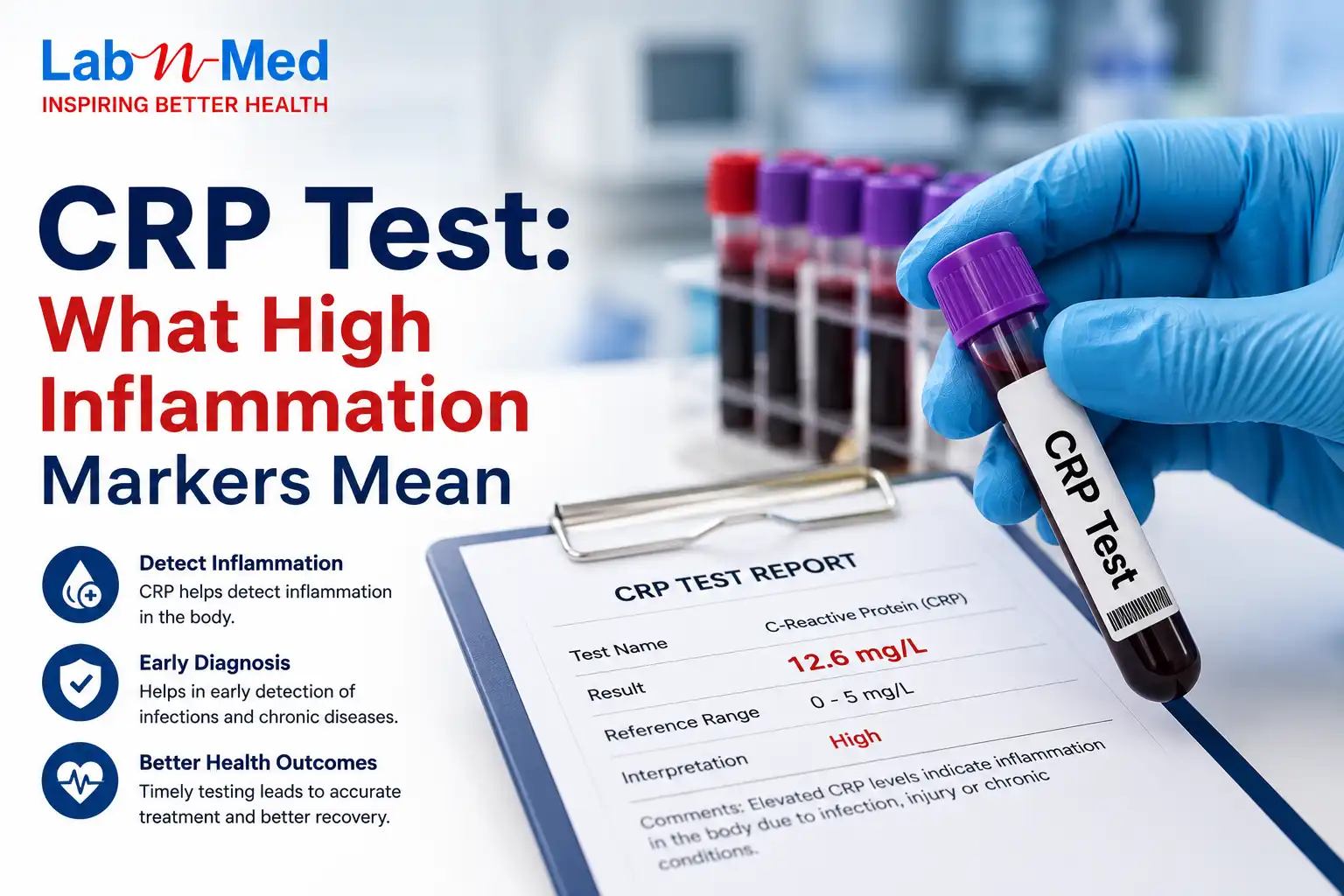
A high CRP level indicates active inflammation in the body. CRP Test, also known as C-reactive protein, increases when injury, inflammation, chronic illness, or an autoimmune condition causes your immune system to activate. A high CRP level does not identify the reason by itself -- it suggests that something needs examination, usually along with other tests as well as a physician's opinion.
Inflammation is your body's warning system. It is activated to combat infection or repair damage, but it shuts down after the work is complete. Sometimes, the alarm continues to sound. The CRP test can be one of the easiest ways to find out whether your alarm is currently in operation. This guide explains what the test is able to measure and what a high number signifies, the reason for it, and the next steps.
What is a CRP Test?
A CRP test is a way to determine your level of C-reactive protein found in the blood of your patients. The liver is the source of this protein and then releases it into the bloodstream at the time that inflammation occurs. The greater the amount of inflammation, the higher the CRP level rises. Doctors employ CRP tests as a general indicator but not as a diagnostic tool. It detects inflammation, but further tests typically determine the cause.
What Does CRP Stand For?
CRP stands for C-reactive Protein. The name is derived from the protein's ability to attach to a substance referred to as C-polysaccharide. It is a substance that is found on the surfaces of some bacteria. This binding process is a part of the immune response that your body initiates during the occurrence of tissue damage or infection.
Why is a CRP Test Done?
Doctors will order CRP tests to determine inflammation throughout the body. It aids in confirming illnesses, tracking the progress of autoimmune diseases, tracking recovery following surgery, and evaluating the risk of cardiovascular disease. Since CRP reacts rapidly to stimuli, it can increase within hours of an inflammation trigger and decrease just as quickly once treatment is completed. This is why the test helps monitor progress and is not just for diagnosing.
Physicians may also test CRP along with physical exams and signs. For instance, someone suffering from joint pain and swelling might undergo CRP tests to determine the severity of inflammation that is present. A person recovering from surgery may have a repeat CRP test to monitor healing and eliminate infections. As per MedlinePlus, which is a service provided by the U.S. National Library of Medicine, CRP tests are among the most frequently used markers to identify inflammation in the body.

Who Should Get a CRP Test?
You might require a CRP blood test if you are experiencing undiagnosed discomfort, fatigue, swelling, or pain. The doctors also suggest it for patients who suspect illnesses, chronic inflammation conditions such as rheumatoid arthritis or Lupus, or for those who are being monitored following surgery. People who have a history of family members with heart disease can be tested with a CRP test to evaluate the risk of cardiovascular disease, even if there are no evident signs.
Women who are pregnant, children with chronic infections, and patients receiving long-term therapy for inflammatory conditions are also commonly candidates. If your doctor suspects that there is hidden inflammation causing vague symptoms, the test is often the initial step. A lot of people will opt to add a CRP test and a complete body test in Gurgaon as part of their routine screening.
What Does a High CRP Test Mean?
A CRP level that is high indicates that your immune system has recognized something it perceives as a threat (infection, injury, or persistent inflammation. The CRP number alone doesn't reveal what caused it. A highly elevated result over 10 mg/L generally indicates the presence of a bacterium or a serious inflammatory situation. A moderately elevated level of 3 to 10 mg/L usually indicates low-grade chronic inflammation that is common in overweight people, smokers, and early-stage heart disease.
The doctor will interpret the reading in conjunction with your medical history, symptoms, as well as other laboratory results. A single high reading is not alarming by itself. Changes over time, and the context they are placed in, are more important.
What is the Normal CRP Range?
A normal CRP level is lower than 3 mg/L for the majority of healthy adults. Low levels of less than 1 mg/L indicate less risk for cardiovascular disease. A range of 1 to 3 mg/L indicates an average risk. Anything greater than 3 mg/L can be thought to be elevated and could point to infection, inflammation, or an increased risk of cardiovascular disease, depending on the clinical condition.
Reference ranges vary in different laboratories. Therefore, always make sure to verify the range listed on your report instead of using only general numbers.
CRP Level Chart: Normal, Mild, Moderate & High Levels
| CRP Level (mg/L) | Interpretation |
| Below 1.0 | Normal, low risk |
| 1.0 - 3.0 | Average risk, slight elevation |
| 3.0 - 10.0 | Possible chronic inflammation |
| Above 10.0 | The elevation is high, and it could be active inflammation or acute infection |
| Above 100 | It is often associated with severe bacterial infections |
This chart is an overview. Your physician will interpret your particular number based on your health history and symptoms.

What Causes High CRP Levels?
Many conditions can cause CRP levels to reach the top of the line. Certain conditions are temporary and heal rapidly, whereas others indicate chronic inflammation that continues to persist.
Bacterial Infections
Bacterial infections typically cause the most intense CRP spikes, often reaching levels of 100 mg/L. UTIs, pneumonia, as well as sepsis, are typical causes.
Viral Infections
CRP levels in viral infections tend to rise in a less significant way than in bacterial ones. This helps doctors differentiate between the two to treat the infection with antibiotics.
Autoimmune Diseases
Conditions like rheumatoid arthritis or lupus, as well as inflammation of the bowel, maintain the immune system in a continuous alert state, which ensures that CRP is elevated for an extended time.
Heart Disease
Chronic inflammation that is low-grade causes damage to the blood vessel walls over time. The elevated levels of hsCRP can be associated with a higher chance of having a heart attack or stroke.
Obesity
The fat cells, especially in the abdominal region, produce inflammation-related chemicals. This is the reason why those with a higher body mass index usually have mildly elevated levels of CRP even if they are not suffering from illness.
Diabetes
A lack of control over blood sugar can lead to chronic inflammation that is evident as increased CRP in many diabetics.
Cancer
Certain types of cancers, specifically ones that are characterized by inflammation or damage, may raise CRP levels. It is not a definitive test for cancer, but doctors can monitor it in the course of treatment.
Smoking
Smoking can cause irritation to the blood vessels and lung tissue, which triggers a mild chronic inflammatory response that is evident as a slight increase in CRP levels.
Surgery or Injury
Any damage to tissues, like burns, surgery, or trauma, causes CRP levels to rise temporarily when the body is beginning to heal.
Pregnancy
CRP levels increase naturally during pregnancy because of hormonal and immune changes that are normal. Doctors consider this when interpreting the results of pregnant patients.
Symptoms of High CRP Levels
CRP doesn't trigger symptoms. It's just an indicator but not a diagnosis. However, the inflammation is the underlying cause. Common symptoms include fatigue, fever, and joint pain. Other signs include swelling and muscle pain. People may also experience unexplained night sweats, weight loss, or a general feeling of being unwell.
The symptoms depend on the root cause. A bacterial infection can cause chills and fever. An autoimmune flare could trigger joint stiffness, rashes, and even apnea. Inflammation caused by heart disease usually doesn't cause symptoms until a heart-related event occurs.
Can CRP Be High Without Symptoms?
Yes, CRP is excessive without causing any signs. This is particularly relevant for chronic low-grade inflammation due to smoking, obesity, or early heart disease. Because these conditions are prone to build up slowly, our body does not immediately send warning signs. This is why doctors suggest CRP testing as part of a routine health screening for people at risk.
What Happens If Your CRP Level Is Very High?
A high level of CRP, particularly at or above 100 mg/L, is a sign of a serious bacterial illness or an acute inflammation that requires urgent medical care. Doctors often order further tests, like blood samples or imaging, to identify the source. Treatment is then directed at the root cause, which could mean hospitalization, antibiotics, or further examination into a malignant or autoimmune disease.
Do not ignore a positive result. Inform your doctor as soon as possible to establish your next steps.
High-Sensitivity CRP (hs-CRP) Test Explained.
The hsCRP test is a measure of the same CRP-like protein as the standard test, but with much greater accuracy at low concentrations. It's specifically designed to identify subtle, ongoing inflammation associated with cardiovascular risk and not acute infections. Doctors utilize hsCRP to evaluate the risk of heart disease in those who appear otherwise healthy.
CRP Test vs hs-CRP Test
The standard CRP test can detect the full spectrum of inflammation that is useful in acute illnesses and infections. The hs-CRP test reveals less significant changes, making it a better choice for the assessment of long-term cardiovascular risk. Both tests measure the same protein, but the distinction lies in the sensitivity and its clinical significance.
CRP Test vs ESR Test
CRP, as well as the test for ESR (erythrocyte sedimentation rate), both test for inflammation, but they operate differently. CRP is able to rise and fall quickly and is therefore useful for monitoring the short-term effects of inflammation. ESR reacts more slowly and remains elevated for longer, making it ideal for keeping track of chronic illnesses over the course of weeks. Doctors may request both tests to get an overall view.
CRP Test vs CBC Test
The CBC test (complete blood count) examines white cells, red cells, and platelets. It provides an overview of the health of the blood. A CRP test is a specific way to measure the levels of inflammation. Both tests are complementary. An elevated white blood cell count, along with elevated CRP levels, strengthens the case of an active disease.
CRP Test vs Procalcitonin Test
Procalcitonin is elevated when a bacterial infection is present. CRP increases in almost every type of inflammation. Doctors frequently use procalcitonin to determine if antibiotics are really required, particularly in situations in which CRP alone does not help to understand the issue.
How is the CRP Test Performed?
A CRP test involves drawing blood, typically from a vein in your arm. A phlebotomist scrubs the site, then inserts a tiny needle, and then collects the blood sample in the vial. The entire process only takes one or two minutes, causing only a slight, short discomfort.
How to Prepare for a CRP Blood Test?
No special preparation is needed for the majority of CRP tests. You can consume food and drinks normally before the test. But be sure to inform your doctor of any medications, supplements, or recent illnesses because they can impact the results. Wearing loose sleeves makes the process of drawing blood easier.
Is Fasting Required for a CRP Test?
Fasting isn't required for CRP testing. It is possible to eat as normal before your appointment. When your physician has requested additional tests in conjunction with CRP, like a lipid profile, you should follow the instructions for fasting that apply to those tests instead.
How Long Does It Take to Get CRP Test Results?
The majority of labs provide CRP outcomes in 24 hours. Some labs provide reports on the same day in urgent situations. The turnaround time may vary according to the schedule of processing for the lab and what tests form part of the larger panel.
Are There Any Risks or Side Effects of the CRP Test?
The CRP test has a low risk. It is possible to feel a small sensation of a pinch when you draw blood, as well as mild bruising or a stinging sensation at the site of injection. The risk of serious complications is extremely low. The test itself doesn't require fasting, sedation, or time to recover.
How to Reduce High CRP Levels Naturally?
Naturally lowering CRP begins by eliminating the primary cause of inflammation. The lifestyle changes that are made support that process as time passes.
Eat an Anti-Inflammatory Diet
Make sure you are eating fruits, vegetables, whole grains, and healthy fats such as olive oil. These foods can help reduce inflammatory activities in the body.
Exercise Regularly
Regular, moderate exercise can reduce inflammation and promote healthy levels of CRP. Try to get a minimum of 30 minutes of exercise most times a week.
Maintain a Healthy Weight
Since fat tissue is a source of chemical inflammatory compounds, achieving and keeping a healthy weight reduces the levels of CRP significantly.
Quit Smoking
Smoking cessation can reduce swelling throughout your body, especially in blood vessels. This reduces CRP in the long run.
Manage Stress
Chronic stress can increase the number of inflammatory markers. Techniques such as meditation, deep breathing, and regular sleep are helpful in keeping the inflammation caused by stress in check.
Treat Underlying Health Conditions
Controlling diabetes, autoimmune disease, or any other chronic condition efficiently often brings CRP levels down naturally.

Best Foods That Help Lower CRP Levels
Certain foods are known to help lower inflammation levels. Fish that are fatty, such as mackerel and salmon, provide omega-3 fatty acids that are known to decrease inflammatory markers. Berries, greens, olive oil, and nuts all have antioxidants that help to reduce inflammation. Ginger and turmeric provide natural anti-inflammatory substances too. The idea of preparing meals around these food items instead of relying solely on supplementation is likely to give the most reliable outcomes.
Foods to Avoid If Your CRP Level Is High
Processed foods such as refined sugars, processed foods, and foods that are fried tend to cause inflammation to get worse. Trans fats, which are present in many packaged snacks, are linked to elevated levels of CRP. Consuming a lot of red meat and sugary drinks also contributes. Reducing the consumption of these foods, along with adding anti-inflammatory options, is the most effective way of reducing the levels of CRP promptly.
CRP Test During Pregnancy
CRP levels are naturally elevated in pregnancy as a part of the normal process of immune adaptation. Doctors interpret the results of pregnancy CRP differently from those of pregnant women, which is why they can account for the expected rise. A significant increase in CRP levels during pregnancy can require further investigation, particularly if preeclampsia or an infection is suspected.
CRP Test for Children
Children are able to undergo CRP tests similar to adults, usually to determine if they have fevers of unknown source, suspected infections, or inflammatory conditions such as juvenile arthritis. The procedure for drawing blood is similar; however, some clinics offer additional measures for children. The reference areas for children are typically identical to adult ranges; however, your pediatrician will examine results within the context of.
CRP Test for Heart Disease Risk Assessment
Doctors employ hs-CRP tests to determine the risk of heart disease for people who do not show any obvious signs. Chronic low-grade inflammation contributes to plaque buildup in the arteries and increases the chance of having a stroke and heart attack. An hs-CRP reading less than 1 mg/L indicates lower risk, whereas levels that exceed 3 mg/L indicate greater risk. This test is best used in conjunction with other markers such as blood pressure and cholesterol levels, but not as a stand-alone indicator.
CRP Test Price in Gurgaon
CRP test costs in Gurgaon generally vary based on the laboratory, sample collection procedure, and whether it's a standard or high-sensitivity test. Home collection is typically a little more than visiting a laboratory in person, but it's quicker and offers additional convenience. Visit the CRP test cost and the packages section at LabN Med's site for the current price and any current offers for the collection of samples at home.

Where to Book a CRP Test in Gurgaon?
You can take the test online via Lab N Med's site or by calling their booking number directly. The process is only one minute: pick the test you prefer, then select the home collection time slot, and a certified phlebotomist will be at your home according to the time scheduled.
Why Choose Lab N Med for Your CRP Test?
Lab N Med offers reliable, efficient, precise, and fast CRP testing throughout Gurgaon and is backed by experienced experts and advanced laboratory standards.
Home Blood Sample Collection
Do not make the trek to a diagnostic facility. Laboratory N Med's home blood sample collection service provides a qualified Phlebotomist to your residence at a time that is convenient for you.
NABL-Associated Laboratory
Lab N Med works with NABL laboratory standards that ensure the accuracy and reliability of every test result.
Certified Phlebotomists
Every sample is taken by a trained, certified Phlebotomist who is trained in safe, clean blood collection procedures.
Accurate & Timely Reports
Results are processed quickly, and the majority of CRP reports are delivered within 24 hours after the collection of samples.
Online Report Access
Download and view your CRP test report online at any time, without needing to wait for the physical copy.
Affordable Pricing
Lab N Med offers competitive prices for CRP testing, which makes regular health monitoring easier for Gurgaon residents.
When Should You Consult a Doctor?
Contact a physician if the CRP test is found to be substantially elevated, particularly in conjunction with symptoms like fever, constant fatigue, pain that isn't explained, or swelling. Also, seek medical advice if you suffer from a chronic illness and have noticed a sudden rise in the CRP levels of your body, or if you're not sure what to make of your results. A doctor may recommend additional tests, like a full-body test or targeted infection panel, and suggest the best treatment for your particular situation.
Frequently Asked Questions (FAQs)
What is a typical CRP level?
The normal CRP level is typically below 3 mg/L, with levels below 1 mg/L considered to be at risk. The reference ranges may differ according to the laboratory.
What does a test with a high CRP signify?
A CRP level that is high indicates the body is in active inflammation. It could be caused by an injury, infection, disease, or chronic ailments such as obesity or heart disease.
Does stress affect CRP levels?
Stress may increase CRP levels by inducing ongoing low-grade inflammation across the body.
Does fasting affect the results of a CRP test?
It is not necessary for CRP tests. It is possible to consume food and drink as normal prior to taking blood.
Can a CRP test detect cancer?
A CRP test is not able to detect cancer in a direct manner. It could reveal higher levels in certain cancers as a result of the inflammation, but additional tests are required to confirm the diagnosis.
How long will it take for the levels of CRP to be restored to normal?
CRP levels usually begin to decrease within 24 to 48 hours after the root cause of the problem is addressed; however, the exact timeframe is dependent on the specific condition.
What's the distinction between hsCRP and CRP?
CRP monitors general inflammation and is helpful for acute and chronic illnesses. CRP is able to detect much less drastic changes, which makes it suitable for assessing long-term heart risk.
Can antibiotics reduce CRP levels?
If an infection caused by bacteria is responsible for CRP levels to rise, effective antibiotic treatment is usually able to lower levels when the infection is gone.
Key Takeaways
- A CRP level that is high indicates active inflammation; however, it isn't able to pinpoint the cause of the inflammation by itself.
- Normal CRP levels are at or below 3 mg/L. Levels higher than 10 mg/L usually indicate acute inflammation or infection.
- The causes vary from injuries and infections to chronic diseases such as diabetes, obesity, and heart disease.
- Exercise, diet and weight management, and quitting smoking are all ways to reduce CRP in a natural way.
- Lab N Med offers convenient, accurate CRP testing using the collection of samples at home across Gurgaon.
Make an appointment for your CRP test through Lab N Med Today
Knowing your levels of inflammation is an easy step towards healthier living. Schedule your CRP blood test at Lab N Med today to get precise results while enjoying the convenience of taking your own samples at home in Gurgaon.